A dark room can feel brighter with a large mirror, but the wrong reflection can create glare, expose private areas, or overheat finishes. Treat a floor mirror as daylight-control equipment: test the sun, view, receiving surface, fixing method, and delivery route before buying.
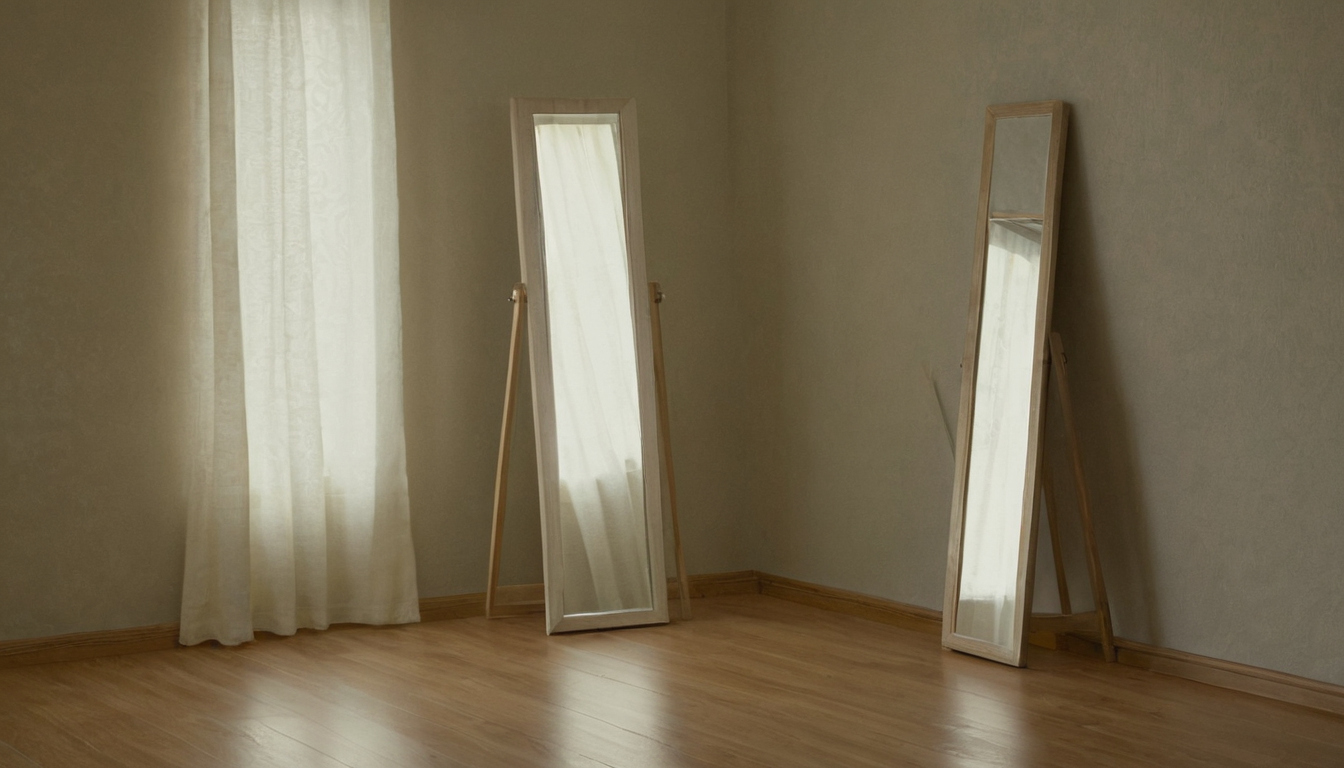
Using Floor Mirrors as Daylight Redirectors Without Hot Spots or Privacy Problems shown as an editorial planning reference.
Floor mirrors can improve daylight only when they redirect diffuse sky light rather than direct sun
Floor mirrors work best when they catch diffuse daylight from a controlled window and send it to a pale wall, matte ceiling, hallway, or deep corner. They should not send bright reflections into eyes, screens, glossy floors, artwork, or neighboring windows.
A floor mirror works best as a daylight redirector in side-lit rooms with controlled windows
| Room condition | Mirror action | Main risk | Site test |
|---|---|---|---|
| Pole-facing room | Reflect sky light to a matte ceiling or pale wall | Weak effect if surfaces are dark | Compare with and without the mirror |
| Side-lit living room | Angle away from seats and screens | Glare | Check each seat |
| Hallway or dressing area | Send light along circulation | Privacy reflection | Check exterior views |
A floor mirror should not be used to aim direct sunlight into occupied seating or work zones
Direct reflected sun is a comfort and material-risk problem. USGBC interior lighting guidance links visual comfort to reduced glare, high-reflectance room surfaces, and task-to-surrounding illuminance contrast below 1:10 where that method applies. If the room cannot be brightened without glare, efficient electric lighting may be cleaner: ENERGY STAR states that qualified LED lighting uses at least 75 percent less energy and lasts up to 25 times longer than incandescent lighting.
A sun-path check should happen before choosing the floor mirror position
Map where sun and sky are visible from the window across the year. One mirror angle can feel soft in winter, harsh in summer, private at breakfast, and exposed after dusk.
East, west, south, and north exposures create different mirror risks
A sun-path check needs the address or latitude, window orientation, exterior obstructions, and room use period. The sun path is the daily and seasonal arc of the sun from sunrise to sunset.
- East-facing windows: Test early morning low sun.
- West-facing windows: Test late afternoon glare on screens, chairs, floors, and tables.
- Equator-facing windows: In the Northern Hemisphere this usually means south-facing glass; in the Southern Hemisphere it usually means north-facing glass.
- Pole-facing windows: Expect steadier sky light, but still check privacy.
At mid-northern latitudes, Weber State University Physics explains that the noon sun remains somewhere in the southern sky while its seasonal path changes. Use a site-specific check instead of copying another layout.
A sun-path check should happen before choosing the floor mirror position shown as an editorial planning reference.
A reflected daylight path should be tested at the brightest likely hour, not only on an overcast day
An overcast visit proves only that the mirror can brighten a gray room. It does not prove that the same position avoids glare on a clear day.
- Place a temporary reflective board or small mirror where the floor mirror is proposed.
- Mark the reflected patch on floors, walls, upholstery, and cabinetry with removable tape.
- Check the patch from seats, beds, desks, doorways, and main routes.
- Request a daylight model for valuable artwork, large glazing, or fixed seating.
Collection rooms need conservative testing, since the National Park Service Museum Handbook addresses preservation, access, and use for collections.
The safest floor mirror placement usually reflects light toward matte ceilings, pale side walls, or circulation zones
A safe floor mirror bounces daylight onto a secondary surface rather than directly toward people. Useful targets include matte ceilings, pale perpendicular walls, stair landings, corridors, and deep corners.
A floor mirror beside or perpendicular to the window is usually safer than a mirror facing the window directly
A mirror opposite glazing can behave like a second window, sending the bright exterior, a neighbor’s terrace, or low sun into a sofa eye line. Start beside the window, perpendicular to the glass, or slightly angled toward a pale return wall.
- Prefer side placement near west-facing windows, desks, televisions, or dining chairs.
- Use a shallow angle because a small tilt change can move a reflection from a face to the ceiling.
- Check circulation so bags, chairs, and cleaning equipment do not hit the frame.
A matte receiving surface reduces hot spots better than glossy stone, lacquer, glass, or polished metal
A matte ceiling or pale painted wall scatters reflected daylight more forgivingly than polished stone, lacquered joinery, glass shelving, or metal trims. The mirror redirects the light; the receiving surface decides whether the result feels soft or sharp.
Polished natural stone needs caution. The Natural Stone Institute recommends neutral cleaners, stone soap, or mild dishwashing detergent and warm water, and warns that scouring powders or abrasive creams can scratch stone. Do not reduce glare by harshly treating stone; change the mirror angle, add a rug, or choose a matte wall.
A placement checklist should rule out eye-line, screen, fireplace, and artwork reflections
- Check seated and standing eye lines from sofas, beds, dining chairs, doorways, stair landings, and dressing positions.
- Check televisions and monitors with screens switched on.
- Check fireplaces, candles, glossy tabletops, artwork, leather, timber, rugs, and textiles near the reflected path.
- Confirm whether the mirror will be freestanding, leaning, wall-secured, or built into joinery.
For occupied rooms, coordinate the test with living room layout and decor decisions so the mirror follows the seating plan.
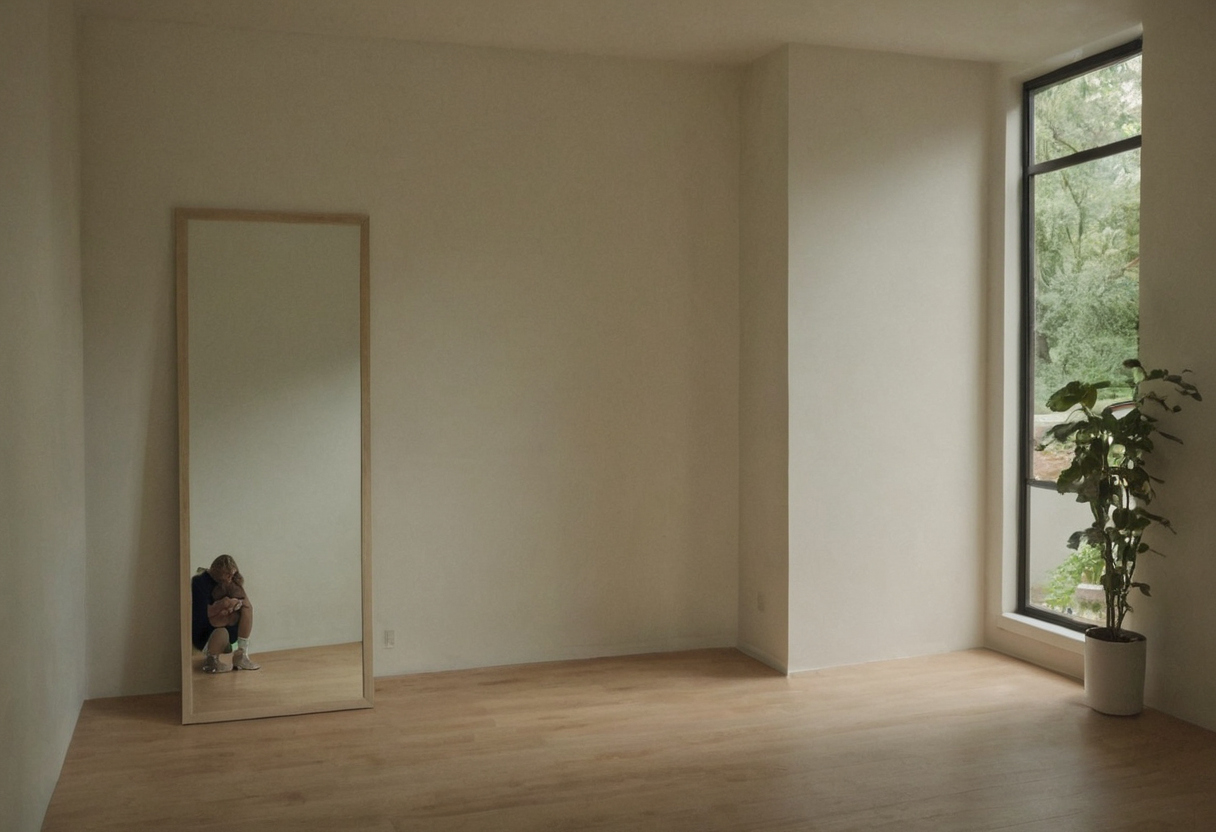
The safest floor mirror placement usually reflects light toward matte ceilings, pale side walls, or circulation zones shown as an editorial planning reference.
Blinds, sheers, films, and planting should control privacy before the floor mirror is installed
A floor mirror can carry the window view deeper into the room. Select privacy control before final mirror placement, especially near streets, pools, courtyards, neighbors, or upper-level windows.
A low-openness shade can preserve privacy but may reduce the daylight available for reflection
Start with the privacy schedule: daylight only, evening only, or both. A street-facing bedroom usually needs stricter control than a living room facing a private courtyard.
Solar shades, Venetian blinds, sheers, lined drapery, shutters, films, and exterior screens solve different problems. A low-openness roller shade can obscure a neighbor’s view, but the tighter weave can cut the diffuse sky light the mirror needs. Coordinate the test with choosing blinds for light control and privacy.
Night privacy must be tested with interior lights on and the floor mirror in place
Turn on real evening scenes, place a temporary mirror at the intended angle, and check the exterior view from the driveway, garden path, pool deck, neighboring balcony, and upper-level windows. Look for reflected bedrooms, dressing areas, bathrooms, safes, security panels, lamps, and sofa eye lines.
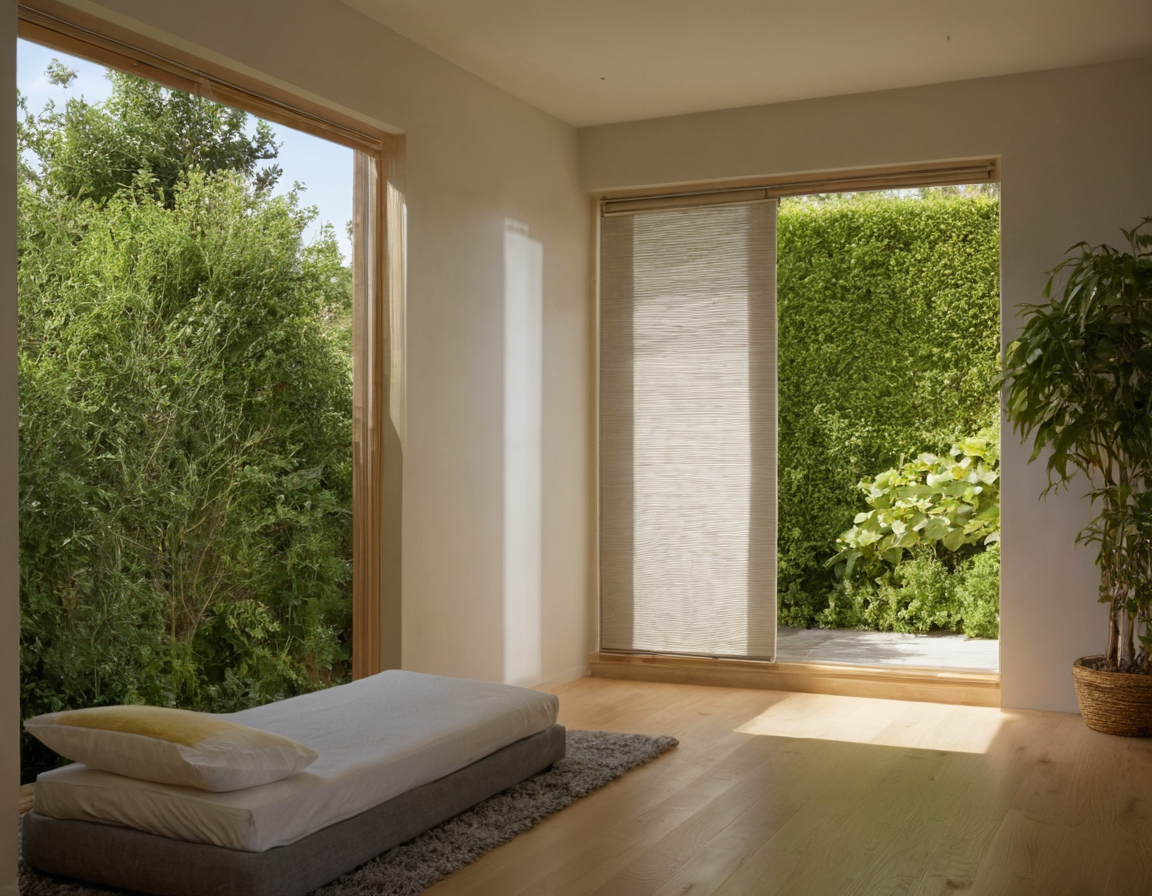
Blinds, sheers, films, and planting should control privacy before the floor mirror is installed shown with practical context cues.
Floor mirror specifications should address anchoring, glass safety, frame rigidity, and heat exposure
Large floor mirrors are heavy building elements. In homes with children, pets, elderly users, rental guests, cleaning staff, or busy circulation routes, specify anti-tip fixing, suitable glass, frame stiffness, floor protection, and reflected heat.
A leaning floor mirror should be mechanically restrained even when it appears stable
A leaning mirror needs a mechanical restraint because friction, frame weight, and a shallow angle do not control impact from a child, vacuum cleaner, door swing, or moving furniture. The order should list dimensions, estimated weight, frame material, backing material, wall substrate, fixing method, and installer responsibility.
Masonry, timber studs, metal studs, plasterboard, and decorative paneling need different anchors. The installer should follow the manufacturer’s fixing instructions and check that restraints are tight and floor pads protect the finish.
Tempered, laminated, safety-backed, or film-backed mirror options should be compared for the room risk level
Mirror glass should match the room risk. A hallway, dressing area, family room, or guest suite may justify tempered, laminated, safety-backed, or film-backed construction, depending on local safety-glazing rules and supplier options.
Reflected heat and UV exposure should be checked near timber, leather, textiles, plants, and artwork
Reflected sun can concentrate brightness and heat on timber flooring, leather seating, rugs, curtains, indoor plants, and framed work. Check the path after blinds, film, low-e glazing, exterior shading, or curtains are selected.
New mirrors, sealants, finishes, and nearby furnishings can also affect indoor air during installation. The U.S. Environmental Protection Agency identifies building materials and furnishings as common indoor VOC sources and recommends increased ventilation when VOC-emitting products are used indoors.
A temporary mockup should decide the final floor mirror size, angle, and procurement choice
Test the reflection path before ordering. A cardboard template, borrowed mirror, reflective panel, or taped floor outline can reveal glare, privacy, circulation, and furniture conflicts before a heavy custom piece is purchased.
The mockup should be checked at three times: brightest sun, normal use, and night privacy
Record the room at the riskiest hour: morning for east glazing, late afternoon for west glazing, midday for equator-facing windows, and the brightest clear period for roof lights. Photograph the reflection from the sofa, desk chair, bed pillow, television position, and main doorway.
A workable starting range for floor mirrors is often about 600 to 1,200 mm wide and 1,600 to 2,200 mm high, but the mockup should decide the final size. Reject the strategy if it creates a hard sun patch, neighbor view, screen reflection, blocked walkway, or night-time privacy line.
The procurement brief should specify size, fixing method, frame depth, edge detail, and delivery route
The purchase brief should state whether the mirror is stock, semi-custom, or custom framed. Measure stairs, lifts, door widths, corridor turns, skirting projections, and the final wall zone before ordering.
Specify frame material, finish, edge detail, anchoring hardware, installer responsibility, and allowable size tolerance. This is where budget-conscious decorating tests before buying protect the project from a mirror that looks promising online but fails in the room.
FAQ
Can you use floor mirrors to redirect sunlight into a darker room?
Use floor mirrors to redirect diffuse sky light, not direct sun. Direct reflected sun can create glare, heat, fading, and privacy problems.
Where should a floor mirror be placed to brighten a room without glare?
Start beside or perpendicular to the window, angled toward a matte ceiling, pale side wall, corridor, or deep corner. Avoid seats, screens, glossy floors, and artwork.
How do you stop a floor mirror from reflecting neighbors or private areas?
Test the mirror with blinds, sheers, films, or planting in place. Then check exterior views during the day and at night with interior lights on.
Are floor mirrors safe to lean against a wall, or do they need anchoring?
A large leaning floor mirror should be mechanically restrained. Weight and friction alone do not protect against impact, cleaning equipment, door swings, or children.
Can a floor mirror increase heat or fading in a room?
Yes. A mirror can redirect sun onto timber, leather, textiles, plants, rugs, and artwork. Test the reflected path at the brightest likely hour before ordering.